
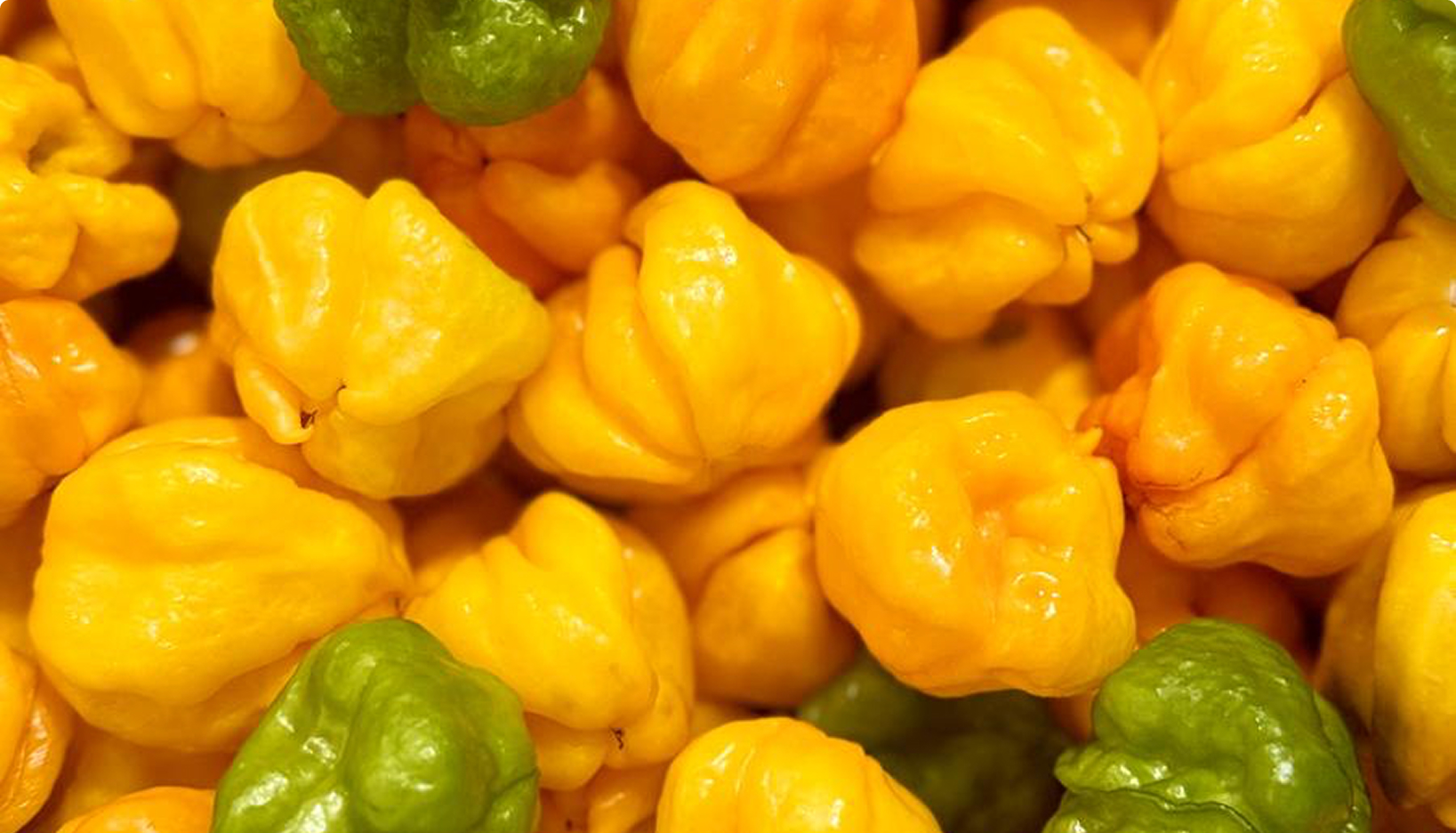
A World of Heat: How Jamaican Scotch Bonnet Peppers Compare to Other Peppers Around the Globe
Chili peppers come in all shapes, sizes, and heat levels, and each variety brings its own flavor and character to the global culinary stage. From mild and sweet to insanely fiery, understanding how peppers compare helps you cook with confidence — and control your spice tolerance. Let’s take a flavorful journey from Jamaica’s beloved Scotch Bonnet to some of the hottest peppers on Earth.
What Is a Pepper? A Quick Overview
Peppers are fruits of plants in the Capsicum genus, and they vary widely in heat and taste. Their spice is measured in Scoville Heat Units (SHU) — a scale that quantifies the concentration of capsaicin, the compound responsible for the burning sensation we associate with spicy foods.
Peppers range from:
- Sweet and mild (e.g., bell peppers — 0 SHU)
- Medium heat (e.g., jalapeños — 2,500–8,000 SHU)
- Hot and fiery (e.g., habanero and Scotch Bonnet — 100,000–350,000 SHU)
- Super‑hot and extreme (e.g., Ghost Pepper, Carolina Reaper, and Pepper X — hundreds of thousands to millions of SHU).
The Jamaican Scotch Bonnet Pepper: A Caribbean Classic
The Scotch Bonnet is perhaps the most famous Jamaican pepper — known not only for its heat but also for its unique flavor. It’s a cultivar of Capsicum chinense, the same species as habaneros, and typically registers between 100,000 and 350,000 SHU on the Scoville scale.
What Makes Scotch Bonnets Stand Out
Heat + flavor: Unlike some hot peppers that are all burn and no taste, Scotch Bonnets deliver fruity and tropical notes alongside their spice, often described as having hints of apple, tomato, or citrus.
Cultural importance: These peppers are a cornerstone of Caribbean cooking — especially in Jamaican jerk seasoning, sauces, and stews.
Culinary versatility: They’re used fresh, in marinades, or blended into hot sauces and condiments that define much of Caribbean cuisine.
How Scotch Bonnets Compare to Other Peppers
Here’s how Scotch Bonnets stack up on the heat and flavor spectrum:
- Milder Peppers
- Bell Pepper: 0 SHU — sweet and mild, perfect for salads and light dishes.
- Jalapeño: 2,500–8,000 SHU — mild to moderate heat, easily enjoyed by most.
- Cayenne: ~30,000–50,000 SHU — noticeably spicy, often dried and powdered.
Similar Heat Level
Scotch Bonnet & Habanero: Both range 100,000–350,000 SHU, but Scotch Bonnets are often considered slightly sweeter and fruitier in flavor than many habaneros.
Hotter & Super‑Hot Peppers
- These pack far more heat — often used sparingly or in specialty hot sauces:
- Ghost Pepper (Bhut Jolokia): ~855,000–1,040,000 SHU — a true super‑hot chile famed for fiery intensity.
- Carolina Reaper: ~1,200,000–2,010,000+ SHU — one of the hottest peppers in the world.
- Pepper X: ~2,693,000 SHU — currently one of the hottest peppers known, far exceeding Scotch Bonnet heat.
Flavor vs. Heat: Why It Matters
While some of the world’s hottest peppers (like Pepper X or Carolina Reaper) are often used for novelty heat challenges or extreme sauces, they’re not always ideal for everyday cooking. The Scotch Bonnet, by contrast: balances heat with flavor, making it excellent for dishes where spice enhances rather than overwhelms. Provides a tropical, fruity edge that complements ingredients like mango, pineapple, and citrus — essential in Caribbean cuisine.
Final Thoughts: Where Scotch Bonnets Fit in the Pepper World
The Jamaican Scotch Bonnet holds a special place in the global pepper landscape — not for being the absolute hottest, but for offering a perfect fusion of heat and flavor. Compared to mild peppers like jalapeños or extreme super‑hots like Carolina Reapers, Scotch Bonnets deliver a distinctive, vibrant spice that elevates food without overpowering it. Whether you’re cooking spicy jerk chicken, crafting hot sauce at home, or just exploring new heat levels, understanding where Scotch Bonnets fit helps you choose the right pepper for the flavor and fire you want.